Blog

  • Haval Jolion Ownership Review From A South African Driver

    Haval Jolion Ownership Review From A South African Driver

    The Haval Jolion has become a familiar sight on South African roads, from Johannesburg’s busy highways to Cape Town’s suburban streets. With its modern styling, spacious interior, and impressive technology, this compact SUV has attracted buyers looking for something different from traditional Japanese and Korean vehicles. However, attractive specifications do not always tell the complete ownership story.

    For South African motorists, owning a vehicle involves more than enjoying its appearance. Fuel consumption, traffic conditions, potholes, servicing expenses, and long-term reliability all influence whether a car represents good value. The Jolion offers several appealing advantages, but its driving characteristics and ownership costs deserve careful consideration.

    This Haval Jolion ownership review examines the vehicle from a practical South African driver’s perspective, drawing on local road tests, published owner feedback, manufacturer information, and independent safety assessments. Rather than presenting an invented personal ownership experience, it focuses on what buyers can realistically expect from everyday use.

    First Impressions of the Haval Jolion

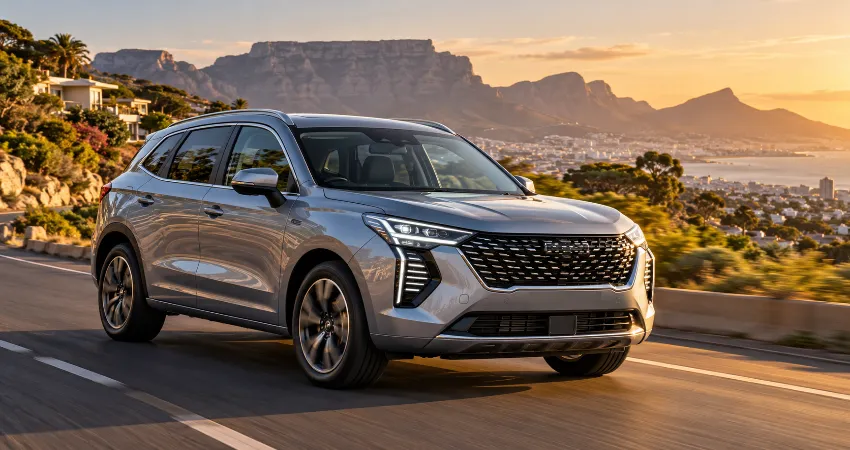
    The first thing that stands out about the Haval Jolion is its appearance. Its prominent grille, LED lighting on selected models, and sculpted bodywork give it a more expensive appearance than its positioning might suggest. The Jolion Pro introduces a sportier exterior design, making the range appealing to drivers who appreciate contemporary styling.

    Inside, the Jolion creates a similarly positive impression. The dashboard features a clean layout, digital displays, and materials that generally feel respectable for the segment. Higher specifications offer additional conveniences, although equipment differs considerably between model years and derivatives.

    Driving Experience on South African Roads

    South African driving conditions provide a meaningful test of any family SUV. A vehicle must remain comfortable during highway journeys while coping with uneven urban roads, speed bumps, and congested intersections. The Jolion generally performs well in terms of ride comfort, with suspension that absorbs ordinary road imperfections reasonably effectively.

    The steering feels light, making parking and low-speed manoeuvres straightforward. However, drivers who prefer precise steering feedback may find the experience less engaging. On highways such as the N1 or N3, the Jolion is generally comfortable at cruising speeds, although engine noise becomes more noticeable under strong acceleration.

    Its biggest driving compromise concerns the petrol automatic’s dual-clutch transmission. Some reviewers report hesitation when moving away from a standstill, particularly in heavy traffic. This behaviour makes careful throttle control important when entering roundabouts or negotiating narrow gaps.

    Engine Performance and Gearbox Behaviour

    Depending on the derivative, South African Jolion models feature different versions of a 1.5-litre turbocharged petrol engine. Many conventional petrol derivatives use a seven-speed dual-clutch automatic transmission, while manual and hybrid configurations are also represented in the broader model history.

    For normal commuting, the petrol engine offers adequate performance. Overtaking requires appropriate planning, especially when carrying passengers and luggage. The gearbox usually feels more settled once the vehicle reaches a consistent speed, but repeated crawling in traffic can reveal its less refined characteristics.

    Anyone considering a used automatic Jolion should test it in slow-moving traffic rather than relying exclusively on a short highway drive.

    Real-World Fuel Consumption in South Africa

    Fuel economy is one of the most important considerations in Jolion ownership. Earlier 1.5-litre turbo petrol models were advertised with combined consumption figures around 7.5 litres per 100 kilometres, but independent testing has frequently produced higher results.

    Cars.co.za reported that approximately 9–12 L/100 km could be expected under real-world conditions for an earlier petrol version, depending on driving style. Traffic congestion, frequent acceleration, short journeys, and air-conditioning use can increase consumption.

    The Jolion HEV offers a different experience. Its hybrid system can use electric assistance during lower-speed driving, reducing petrol consumption in suitable conditions. A South African TopAuto road test recorded 4.2 L/100 km over a mixed driving period, although individual results will vary significantly.

    Before buying, calculate fuel expenses using your actual monthly distance and a realistic consumption estimate rather than relying solely on the brochure.

    Interior Comfort, Space, and Everyday Practicality

    Interior space is one of the Jolion’s strongest selling points. Rear passengers benefit from generous legroom for a compact SUV, making family journeys more comfortable. The seating arrangement also works well for school transport, commuting with colleagues, and occasional longer trips.

    The luggage compartment provides useful space for groceries, travel bags, and everyday family equipment. However, buyers transporting a large pram or bulky sporting equipment should physically test the available boot space before purchasing.

    One practical weakness involves the touchscreen-based controls. Certain functions require navigating digital menus instead of pressing conventional buttons. This can become distracting on uneven roads, making it sensible to adjust frequently used settings before driving.

    Technology and Infotainment Features

    Technology contributes considerably to the Jolion’s appeal. Depending on the model, features may include smartphone connectivity, digital instruments, parking cameras, wireless charging, and advanced driver-assistance systems.

    These conveniences can improve everyday usability, particularly in crowded shopping-centre parking areas. Nevertheless, an extensive feature list does not automatically guarantee an effortless user experience. Owners should check touchscreen responsiveness, Bluetooth connections, camera operation, and software behaviour.

    Some driver-assistance alerts can also feel overly sensitive. Understanding the vehicle’s settings and consulting its handbook helps drivers use these systems effectively without becoming unnecessarily distracted.

    Safety Ratings and Important Equipment Differences

    Safety deserves particular attention because equipment and crash-test results vary across markets and specifications. In June 2026, Global NCAP awarded the South African entry-level Haval Jolion two stars for adult occupant protection and three stars for child occupant protection.

    The tested vehicle lacked standard side head-protection airbags, an important concern highlighted by Global NCAP and the Automobile Association of South Africa. Buyers should not assume that every Jolion derivative offers identical occupant protection.

    Before choosing a vehicle, confirm its airbag configuration, electronic stability control, child-seat anchorages, and available active-safety technology. A higher equipment grade may include additional protection, but its exact specification should be verified independently.

    Maintenance, Warranty, and Servicing Costs

    GWM has expanded its South African after-sales offering. Current Jolion Pro documentation lists a seven-year or 200,000-kilometre vehicle warranty and a seven-year or 75,000-kilometre service plan, with servicing generally scheduled every 15,000 kilometres or twelve months.

    However, older Jolion models may have different warranty and service-plan arrangements. Buyers should verify coverage using the vehicle identification number and original documentation.

    Routine maintenance should include tyre inspections, brake checks, fluid monitoring, and scheduled servicing. Drivers regularly encountering damaged roads should also inspect suspension components and wheel alignment. Keep complete service records, particularly when purchasing a second-hand example.

    Reliability, Common Complaints, and Spare Parts

    The Jolion’s reliability discussion requires separating reported irritations from confirmed mechanical failures. Local reviews frequently mention gearbox hesitation, occasional infotainment problems, and sensitivity in electronic driver-assistance functions. These complaints do not establish that every Jolion will experience serious faults.

    Parts availability should also influence an ownership decision. GWM has developed its local distribution and dealership support, but the availability of individual body panels or electronic components can vary.

    Before purchasing a used Jolion, arrange an independent inspection, check outstanding software updates, review maintenance records, and confirm the availability of essential replacement parts through a local dealership.

    Resale Value and Overall Ownership Costs

    Resale value matters because depreciation can become a significant ownership expense. The Jolion competes with established vehicles such as the Toyota Corolla Cross, Hyundai Creta, and Kia Seltos, which may attract buyers with different long-term ownership priorities.

    Rather than assuming a particular depreciation rate, compare advertised prices for Jolions of similar age, mileage, and condition. Remember that asking prices are not necessarily final selling prices.

    Insurance premiums, tyres, fuel, scheduled services, finance charges, and potential out-of-warranty repairs should all be included when evaluating affordability. A competitively priced vehicle can become less attractive if its recurring expenses exceed your household budget.

    Which South African Driver Should Consider the Jolion?

    The Jolion makes considerable sense for drivers prioritising cabin space, technology, comfort, and modern design. Families travelling regularly between suburbs and highways may particularly appreciate its practicality.

    However, commuters spending several hours in stop-start traffic should evaluate the petrol automatic’s responsiveness and fuel consumption carefully. A hybrid derivative may be more appropriate for drivers covering substantial urban mileage, provided its purchase price fits their budget.

    The smartest approach is to compare the exact derivatives available, arrange a substantial test drive, and calculate ownership expenses over at least three to five years.

    FAQs About Haval Jolion Ownership

    1. Is the Haval Jolion a good car for South African roads?

    The Haval Jolion generally suits everyday South African driving, offering comfortable suspension, practical ground clearance, and sufficient performance for normal travel. However, it remains a road-focused crossover rather than a dedicated off-road vehicle. Drivers should approach deep potholes, heavily damaged gravel roads, and severe road obstacles carefully.

    2. Is the Haval Jolion reliable over the long term?

    Available ownership feedback provides a mixed but useful picture. Many drivers appreciate its comfort and equipment, while others report electronic annoyances or transmission hesitation. Long-term reliability depends on maintenance, driving conditions, and model specification. Independent inspections and documented service histories remain especially important when evaluating older examples.

    3. How much fuel does a Haval Jolion use?

    Real-world consumption differs between petrol and hybrid versions. Earlier petrol models can consume approximately 9–12 L/100 km in demanding conditions, according to independent reviews. Hybrid derivatives can perform significantly better in urban traffic. Driving habits, road conditions, vehicle load, and journey length all influence actual consumption.

    4. Is the Haval Jolion expensive to maintain?

    Maintenance costs depend on the vehicle’s age, service-plan coverage, and required repairs. Applicable service plans can reduce scheduled servicing expenses, but owners must still account for consumables and items excluded from coverage. Obtaining written dealership quotations provides a more dependable estimate than relying on general assumptions.

    5. Does the Haval Jolion have gearbox problems?

    Some petrol automatic versions have attracted complaints about delayed acceleration and jerky low-speed responses. These symptoms may relate to transmission calibration and do not automatically indicate mechanical failure. During a test drive, check smoothness when starting, reversing, parking, and accelerating gently through congested traffic.

    6. Is the Haval Jolion suitable for families?

    Its spacious cabin, comfortable seating, and practical luggage area make the Jolion appealing for family use. Nevertheless, families should pay particular attention to the exact vehicle’s airbag specification and independent crash-test information. Testing child-seat installation and boot capacity before purchase is advisable.

    7. Is the Haval Jolion HEV better than the petrol model?

    The HEV can be a better choice for drivers who frequently encounter urban congestion and prioritise fuel efficiency. Conventional petrol versions may make more financial sense when their purchase prices are substantially lower. Compare projected fuel savings against the price difference using your own annual driving distance.

    8. Are Haval Jolion spare parts available in South Africa?

    GWM operates a South African dealership and parts-support network, making routine maintenance components generally accessible through official channels. However, specialised electronics and certain accident-repair components may require additional sourcing time. Contact a dealership to establish availability and delivery expectations for specific parts.

    9. Should I buy a second-hand Haval Jolion?

    A used Jolion can offer attractive equipment and interior space for its price. Before purchasing, inspect the transmission, electronics, tyres, suspension, and service history. Confirm any remaining warranty directly with GWM, check previous accident repairs, and compare the asking price with equivalent vehicles advertised locally.

    10. Is the Haval Jolion worth buying in South Africa?

    The Jolion deserves consideration when comfort, technology, space, and purchase value are major priorities. However, fuel consumption, safety specification, gearbox behaviour, and long-term resale expectations should influence the final decision. Comparing alternatives and completing a realistic test drive will reveal whether it suits your individual needs.

    Conclusion

    The Haval Jolion offers South African motorists an appealing combination of modern styling, generous interior space, and useful technology. Its comfortable highway manners and available hybrid efficiency strengthen its appeal, while petrol consumption, transmission refinement, and safety-equipment differences require careful consideration.

    For buyers who research the correct derivative, verify maintenance coverage, and understand the complete ownership costs, the Jolion can be a practical family SUV. Ultimately, the right decision depends on everyday driving requirements rather than showroom impressions alone.
  • Suzuki Swift Review: Cheap To Run And Fun To Drive

    Suzuki Swift Review: Cheap To Run And Fun To Drive

    The Suzuki Swift has built a reputation as a small hatchback that makes everyday driving affordable without becoming boring. While many modern cars have grown heavier, larger, and more complicated, the Swift continues to focus on compact dimensions, efficient engines, and enjoyable handling. It is particularly appealing to drivers who want sensible ownership costs but still appreciate a responsive car.

    The latest fourth-generation Suzuki Swift, introduced in 2024, brings updated styling, improved technology, and a new 1.2-liter three-cylinder petrol engine. In markets such as the UK, mild-hybrid assistance improves efficiency, while other markets offer different powertrain configurations. Despite these changes, the fundamental character remains familiar: lightweight, practical, and easy to drive.

    But is the Suzuki Swift genuinely economical to own, and can it still deliver an engaging driving experience? This review examines its performance, real-world fuel consumption, interior comfort, safety, maintenance requirements, and everyday practicality. The assessment draws on published independent road tests, manufacturer specifications, and ownership considerations rather than an independently conducted personal test drive.

    Exterior Design: Compact, Modern, and Distinctive

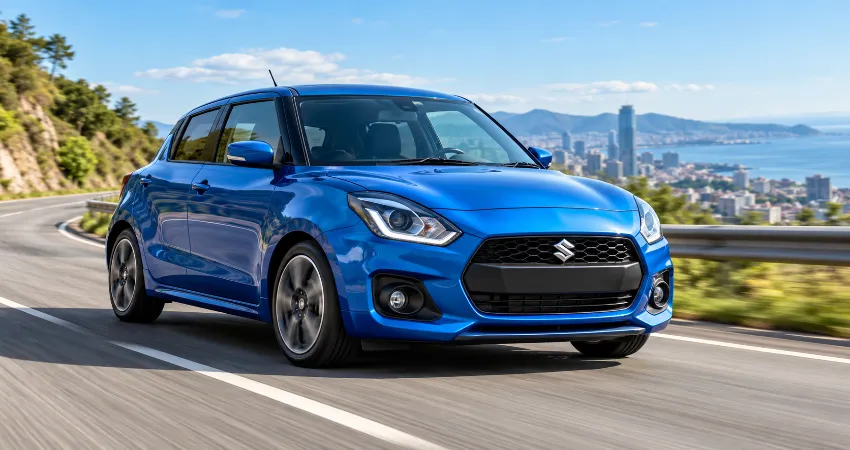
    The Suzuki Swift maintains its recognizable hatchback proportions while introducing several noticeable design updates. A rounded front end, redesigned headlights, sculpted bodywork, and a distinctive shoulder line give the latest model a more contemporary appearance. Its styling avoids unnecessary complexity, helping the car retain a friendly and approachable personality.

    Compact dimensions are among its most practical advantages. The Swift fits comfortably into restricted parking spaces and is easy to maneuver through narrow urban streets. Its relatively short body also makes reversing and positioning the vehicle less intimidating for inexperienced drivers. Buyers seeking an affordable city car will find these characteristics particularly useful.

    Engine Performance and Driving Experience

    The fourth-generation Swift uses a 1.2-liter three-cylinder petrol engine designed primarily for efficiency and everyday usability. European versions incorporate a mild-hybrid system, while the Indian-market version uses a different configuration without the same hybrid assistance. Transmission choices vary by country and include manual and automatic options.

    Independent testing by Autocar India recorded a 0–100 km/h acceleration time of approximately 13 seconds for the manual version. This confirms that outright speed is not the engine’s strongest quality. However, responsive steering, manageable weight, and predictable handling make the Swift entertaining at ordinary road speeds.

    The manual gearbox is especially appealing to drivers who enjoy controlling gear changes. Steering feels light during parking but provides enough precision for confident cornering. The suspension balances everyday comfort with controlled body movement, although sharp bumps can occasionally produce noticeable impacts. Overall, the Swift demonstrates that enjoyable driving does not require excessive horsepower.

    Fuel Economy: How Cheap Is the Suzuki Swift to Run?

    Fuel efficiency is one of the Swift’s strongest selling points. The UK mild-hybrid version has achieved an official combined economy figure of around 64 mpg in certain configurations, equivalent to approximately 4.4 liters per 100 kilometers. Actual consumption depends on traffic conditions, driving habits, transmission, and vehicle specification.

    In a long-term assessment, What Car? reported approximately 55.7 mpg from a UK-specification mild-hybrid Swift. Meanwhile, independent Indian testing recorded approximately 14 km/l in city conditions and 19 km/l on highways for the locally configured manual model. These figures highlight why regional specifications should never be treated as identical.

    Drivers can reduce fuel expenses further by maintaining correct tire pressures, accelerating smoothly, avoiding unnecessary engine idling, and following the recommended maintenance schedule. For commuters covering substantial annual distances, even modest improvements in fuel consumption can produce meaningful savings.

    Interior Quality, Comfort, and Technology

    Inside, the Suzuki Swift prioritizes usability over luxury. The dashboard has a straightforward layout, physical controls remain available for important functions, and the driving position is generally comfortable. Materials include considerable hard plastic, but this is consistent with the car’s affordable positioning.

    Depending on specification, equipment can include a nine-inch touchscreen, smartphone connectivity, automatic climate control, a reversing camera, and keyless operation. Wireless Apple CarPlay and Android Auto are offered on certain versions. These features make the Swift convenient for navigation, music, and everyday communication.

    Front-seat accommodation is suitable for most adults, although taller rear passengers may find legroom restrictive. Road and engine noise can also become more noticeable during sustained motorway driving. Buyers regularly traveling long distances should assess cabin refinement during a thorough test drive.

    Practicality and Boot Space

    The Suzuki Swift offers a 265-liter luggage compartment, according to Suzuki UK. Folding the rear seats expands the available storage capacity, making the car more versatile when transporting bulky belongings.

    The boot accommodates ordinary grocery shopping, backpacks, and smaller travel bags, but families carrying large strollers or multiple suitcases may require additional space. Its five-door layout improves accessibility, while compact exterior proportions make the vehicle especially suitable for individuals, couples, and smaller households.

    Safety Features and Crash-Test Performance

    Safety equipment varies between regions and trim levels. Depending on the version, the Swift can include multiple airbags, electronic stability control, autonomous emergency braking, lane-departure assistance, and adaptive cruise control.

    The European-specification 2024 Suzuki Swift received a three-star Euro NCAP rating. Its results included 67% adult occupant protection, 65% child occupant protection, 76% vulnerable road-user protection, and 62% safety assistance. The assessment identified weaknesses in certain occupant-protection scenarios.

    These findings deserve attention, especially for family buyers. The official Euro NCAP assessment applies to the tested European configuration and should not automatically be applied to vehicles built for other markets.

    Maintenance, Reliability, and Ownership Costs

    The Swift’s relatively simple mechanical layout and efficient petrol engine support its reputation for manageable running expenses. Routine maintenance generally involves familiar items such as engine oil, filters, brake components, tires, and periodic inspections. Nevertheless, actual costs depend on local labor rates, parts availability, and driving conditions.

    Suzuki UK provides a three-year or 60,000-mile manufacturer warranty, with additional service-activated coverage available subject to eligibility and servicing requirements. Warranty arrangements elsewhere may differ considerably.

    For used buyers, a documented maintenance history matters more than assumptions about brand reliability. Check for accident repairs, unusual engine vibrations, suspension noise, inconsistent service records, and transmission problems before purchasing.

    Suzuki Swift vs Competitors

    The Swift competes with small hatchbacks such as the Hyundai i10, Toyota Yaris, and similarly positioned regional alternatives. The Hyundai i10 emphasizes urban practicality, while the Toyota Yaris offers full-hybrid technology in applicable markets.

    The Swift’s distinctive advantage is its combination of light controls, responsive handling, and economical operation. However, buyers prioritizing maximum rear-seat space, premium cabin materials, or stronger acceleration may prefer alternatives. Comparing actual local prices and equivalent equipment levels is essential because market positioning differs significantly between countries.

    Who Should Buy the Suzuki Swift?

    The Swift is particularly suitable for urban commuters, new drivers, smaller households, and motorists who value affordable transport without sacrificing driving enjoyment. Its manageable dimensions and economical engine make it an appealing everyday companion.

    Before purchasing, arrange a test drive covering congested streets, rough surfaces, and faster roads. Test rear-seat comfort, load typical luggage into the boot, check equipment availability, and obtain written insurance and servicing quotations. This practical evaluation will reveal more about suitability than specifications alone.

    Frequently Asked Questions About The Suzuki Swift

    1. Is the Suzuki Swift a good car for everyday driving?

    Yes. The Suzuki Swift is well suited to daily commuting because it combines compact dimensions, light steering, and good fuel efficiency. Its straightforward controls make frequent journeys convenient. However, drivers who regularly carry several adults or substantial luggage should carefully assess its limited rear-seat and cargo space.

    2. Is the Suzuki Swift expensive to maintain?

    The Swift is generally considered relatively affordable to maintain compared with many larger vehicles. Its small engine and conventional servicing requirements help control routine expenses. Nevertheless, maintenance bills depend on vehicle age, component condition, local labor charges, and whether replacement parts are readily available.

    3. What is the real-world fuel economy of the Suzuki Swift?

    Fuel economy varies substantially by market and drivetrain. Independent UK testing has reported approximately 55.7 mpg from a mild-hybrid model, while Indian testing recorded around 14 km/l in city driving and 19 km/l on highways for the manual version. Traffic congestion, air-conditioning use, and driving style influence actual results.

    4. Is the Suzuki Swift fun to drive?

    The Swift remains enjoyable because of its relatively low weight, responsive steering, and agile handling. Although its latest naturally aspirated engine does not provide particularly strong acceleration, the car feels approachable and engaging through corners. Drivers seeking lively everyday handling rather than outright speed may appreciate its character.

    5. Is the Suzuki Swift suitable for long highway journeys?

    The Swift can manage regular highway journeys, particularly when carrying one or two occupants. Its efficient engine helps control fuel expenditure over longer distances. However, road noise, limited overtaking power, and occasional firmness over uneven surfaces may make larger, more refined hatchbacks preferable for frequent motorway travel.

    6. Does the Suzuki Swift have enough space for a family?

    The Swift can accommodate a small family, especially when children occupy the rear seats. Its five-door body improves accessibility, and the 265-liter boot handles ordinary shopping and daily essentials. Families regularly transporting bulky child equipment or several large bags may find its carrying capacity restrictive.

    7. Is the Suzuki Swift available with an automatic transmission?

    Yes, automatic versions are available in several markets, although transmission technology differs by region. Some versions use a continuously variable transmission, while others feature an automated manual gearbox. Buyers should confirm the exact transmission offered locally because smoothness, performance, and servicing characteristics can vary.

    8. How safe is the latest Suzuki Swift?

    The European 2024 Swift received three stars from Euro NCAP, indicating that its crash-test performance has some important limitations. Nevertheless, available active safety features can help drivers avoid certain incidents. Buyers should examine the precise safety equipment and applicable crash-test results for their local vehicle specification.

    9. Is a used Suzuki Swift worth buying?

    A well-maintained used Swift can be a sensible choice for buyers seeking economical transportation. Its compact design and relatively straightforward servicing requirements are attractive qualities. Before buying, inspect the vehicle carefully, verify its service history, review accident records where available, and arrange an independent mechanical assessment.

    10. What are the main disadvantages of the Suzuki Swift?

    The main limitations include modest engine performance, restricted rear-passenger space, a relatively small boot, and an interior that uses substantial hard plastic. Some drivers may also notice engine noise and firm responses over sharp road imperfections. The European crash-test rating is another consideration for safety-focused buyers.

    Conclusion

    The Suzuki Swift continues to offer a compelling combination of affordability, efficiency, and driving enjoyment. Its compact body, economical petrol engine, and agile handling make it particularly attractive for daily commuting and city travel.

    Although cabin space, performance, and crash-test results reveal genuine compromises, the Swift remains a practical choice for motorists who prioritize low running costs and engaging everyday driving. Choosing the right specification and evaluating real ownership expenses will help determine whether it is the right hatchback for your needs.

  • Toyota Hilux Legend Review After A Month Of Daily Driving

    Toyota Hilux Legend Review After A Month Of Daily Driving

    The Toyota Hilux Legend has earned a reputation as a tough, dependable pickup truck that can handle demanding working conditions and everyday family responsibilities. However, impressive specifications and rugged styling do not necessarily translate into a comfortable daily driving experience. What matters after a month is how easily the vehicle handles traffic, rough roads, parking, passengers and regular fuel stops.

    This Toyota Hilux Legend review examines those everyday considerations through a 30-day ownership perspective. The discussion focuses primarily on the 2.8-litre GD-6 automatic double-cab Legend, including the Legend 55 generation, using official Toyota specifications and published driving evaluations. It is a research-based assessment rather than a claim of personally completing a month-long road test. Newer mild-hybrid versions may behave differently.

    The central question is simple: does the Hilux Legend make sense as an everyday vehicle, or are its strongest qualities better appreciated on construction sites, farms and adventurous weekend trips? Looking beyond its bold appearance reveals a pickup with genuine strengths, some noticeable compromises and several ownership details worth understanding.

    First Impressions: A Pickup That Feels Built for Serious Work

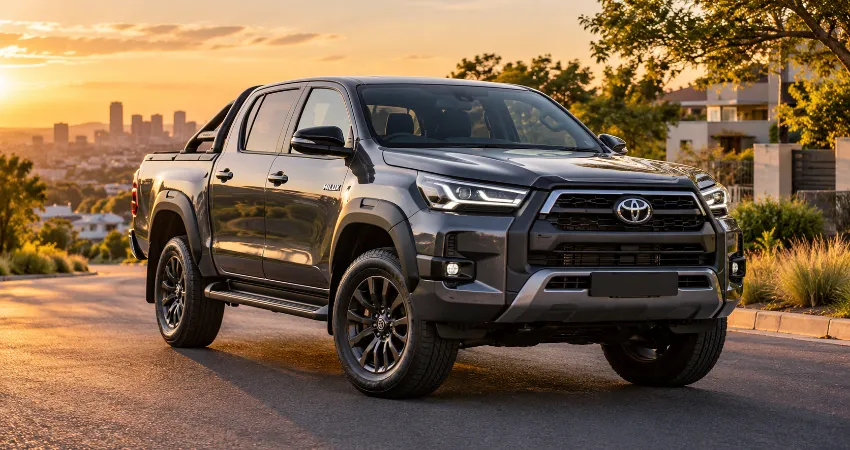
    The Hilux Legend immediately communicates its purpose through its elevated stance, substantial bodywork and commanding driving position. The distinctive grille, alloy wheels and trim-specific exterior details give it a more sophisticated appearance than a basic commercial pickup. Despite these premium touches, its underlying character remains unmistakably practical.

    The high seating position provides useful forward visibility, particularly when navigating uneven roads or following larger vehicles. However, the same dimensions that make the Hilux reassuring on open roads become less convenient in shopping centres and narrow residential streets. Drivers moving from smaller SUVs should expect an adjustment period, especially when judging the rear corners.

    Engine Performance: Strong Torque Makes Everyday Driving Easier

    The established 2.8-litre GD-6 turbocharged diesel engine is one of the Legend’s major advantages. In the earlier six-speed automatic specification, it develops approximately 150 kW and 500 Nm of torque. These figures translate into useful pulling strength rather than aggressive sports-car performance.

    In everyday traffic, the availability of torque at relatively low engine speeds reduces the need for constant acceleration. The six-speed automatic transmission generally suits the engine’s relaxed character, although downshifts can feel less immediate than those in newer automatic gearboxes. Published road tests also describe noticeable diesel noise when the engine is pushed harder.

    For smoother city driving, gentle throttle inputs and Eco mode are sensible starting points. The available torque usually makes rapid acceleration unnecessary. Highway overtaking remains confident when adequate space is available, but drivers should always account for passenger weight, cargo and road conditions.

    Ride Comfort: The Biggest Daily Driving Compromise

    Ride quality is arguably the most important consideration for someone planning to use the Hilux Legend every day. Its traditional body-on-frame construction and rear leaf-spring suspension are designed to support meaningful loads. That durability creates a noticeably different experience from a road-focused SUV.

    With an empty load bed, the rear suspension can feel firm over potholes, expansion joints and uneven surfaces. Passengers may notice additional bouncing, particularly on poorly maintained urban roads. Road-test evaluations consistently identify this characteristic, although suspension revisions have improved comfort across successive generations.

    Adding properly secured cargo can help the suspension feel more settled, but unnecessary weight should never be carried simply to improve comfort. Prospective buyers should arrange a test drive over their usual commute rather than judging the vehicle exclusively on smooth dealership roads.

    City Driving and Parking: Size Requires Patience

    One month of typical urban use would quickly reveal that the Hilux Legend’s biggest challenge is not engine power but physical size. The Legend 55 double cab measures approximately 5.33 metres long, making tight parking spaces and crowded streets more demanding than they are in smaller passenger vehicles.

    Front and rear parking sensors, along with available camera systems, are useful when manoeuvring. Nevertheless, drivers still need to consider the vehicle’s length, turning circle and rear overhang. A wider approach may be necessary when entering confined parking areas.

    The most effective adjustment is to slow down, leave extra space around obstacles and avoid relying entirely on electronic assistance. Once accustomed to its dimensions, routine driving becomes more predictable, although the Hilux never feels genuinely compact.

    Fuel Economy: What Daily Commuters Should Expect

    Fuel consumption varies considerably depending on the model, traffic, tyres, cargo and driving style. In a published AutoTrader review of the Legend 55, everyday commuting returned approximately 8.9 to 9.4 litres per 100 kilometres. Another independent evaluation recorded higher consumption in heavy urban traffic.

    These are published test observations, not measurements from a new 30-day ownership test. They nevertheless provide a useful planning reference. Drivers regularly covering short distances in congested conditions should anticipate higher consumption than those maintaining consistent highway speeds.

    The 80-litre fuel tank supports longer journeys between refuelling stops. Owners can calculate their own fuel economy accurately by recording kilometres travelled and litres added across several full-tank refills. This is more meaningful than relying on one unusually economical journey.

    Interior Comfort and Technology: Practical Rather Than Luxurious

    Inside, the Hilux Legend prioritises usability and durability. The driving position is elevated, major controls are relatively straightforward, and the cabin offers useful storage for everyday belongings. Depending on model year, equipment can include smartphone connectivity, leather upholstery, automatic climate control and advanced driver-assistance features.

    Front-seat accommodation is generally suitable for longer journeys, particularly when the driving position is adjusted carefully. Rear-seat comfort is less convincing for taller adults because of the relatively upright backrests and limited opportunity to stretch out.

    Families should test child-seat installation, rear passenger access and luggage arrangements before purchasing. A double cab offers five seats, but that does not automatically make it as comfortable or convenient as a similarly priced family SUV.

    Safety Features and Everyday Confidence

    Safety equipment is an important strength of higher-specification Legend models. Toyota’s published Legend 55 specifications include multiple airbags, stability control, traction control, hill-start assistance and Toyota Safety Sense. Equipment such as lane-departure alerts and pre-collision assistance can provide additional support during longer journeys.

    These technologies should be treated as assistance rather than replacements for attentive driving. Their capabilities vary by model year and market, so buyers should confirm the exact specification of the vehicle they are considering.

    Tyre condition, correct tyre pressure, sensible following distances and secure cargo are equally important. An unloaded pickup can respond differently to sudden braking or rough surfaces than a heavily loaded one.

    Practicality, Load Carrying and Weekend Adventures

    The Hilux Legend becomes more compelling when its load bed and towing ability are used regularly. Large equipment, camping accessories and bulky household items can be transported without occupying passenger space. However, cargo must be properly restrained and protected from weather or theft.

    According to Toyota’s Legend 55 specification sheet, the 4×4 automatic version has a maximum braked towing rating of 3,500 kg under specified conditions. The rear-wheel-drive version has a different rating, demonstrating why buyers must check individual variants rather than assuming every Legend offers identical capabilities.

    For outdoor activities, available four-wheel drive, suitable ground clearance and low-range gearing on applicable models provide versatility beyond ordinary paved roads. Appropriate tyres, recovery planning and an understanding of the four-wheel-drive system remain essential.

    Maintenance and Long-Term Ownership Considerations

    The Hilux has an established reputation for durability, but that should not be interpreted as freedom from maintenance. Regular servicing, appropriate diesel quality and timely attention to warning lights remain important for the turbocharged engine and emissions equipment.

    In South Africa, Toyota lists a 10,000-kilometre or 12-month service interval for the Legend 55, together with market-specific warranty and service-plan provisions. Requirements can differ in other countries and for other model years.

    Owners who regularly drive through dust, tow heavy trailers or operate under severe conditions should review the maintenance schedule carefully. Checking tyres, suspension components, brakes and fluid levels can also help identify developing issues before they become expensive.

    What Stands Out After Considering a Full Month of Use?

    A useful 30-day ownership assessment should focus on repeated everyday experiences rather than the excitement of the first drive. The Hilux Legend’s strongest qualities are its accessible diesel torque, commanding visibility, substantial carrying ability and versatility across different road conditions.

    Its disadvantages are equally practical: the firm unloaded ride, considerable parking footprint, higher fuel use in congested traffic and comparatively upright rear seating. None necessarily makes it unsuitable for daily use, but these characteristics can become more noticeable during a repetitive commute.

    The clearest buying lesson is to match the vehicle to actual requirements. Someone who frequently transports equipment or travels on rough roads will appreciate capabilities that an exclusively urban driver may rarely need.

    FAQs About the Toyota Hilux Legend

    1. Is the Toyota Hilux Legend comfortable for daily driving?

    The Hilux Legend can be comfortable for daily journeys, particularly on reasonably smooth roads and highways. Its supportive front seating and strong engine make longer trips manageable. However, the firm rear suspension can produce noticeable movement over potholes when the load bed is empty. Buyers prioritising a soft, car-like ride should compare it with a conventional SUV.

    2. How economical is the Toyota Hilux Legend?

    Fuel economy depends on the engine version, traffic and driving conditions. Published testing of the 2.8-litre Legend 55 recorded approximately 8.9–9.4 L/100 km during mixed everyday use. Heavy congestion, towing and aggressive acceleration can increase consumption. Newer mild-hybrid variants have different official consumption figures and should be evaluated separately.

    3. Is the Hilux Legend suitable for city driving?

    Yes, provided the driver is comfortable handling a large pickup. The automatic transmission reduces effort in traffic, while parking sensors and available cameras assist with manoeuvring. However, narrow streets, crowded parking areas and tight turning spaces require patience. A proper test drive through familiar city routes is particularly valuable.

    4. Does the Toyota Hilux Legend perform well on highways?

    The 2.8-litre diesel engine provides sufficient torque for relaxed cruising and overtaking when road conditions permit. Its elevated seating position offers good forward visibility, while the automatic gearbox generally maintains comfortable cruising speeds. Diesel noise and wind noise can become more noticeable at higher speeds, depending on the version and accessories fitted.

    5. Can the Toyota Hilux Legend handle serious off-road conditions?

    Four-wheel-drive Legend models are designed to handle demanding terrain when equipped and operated correctly. Low-range gearing and traction-related features improve capability on steep, slippery or uneven surfaces. However, tyre choice, ground conditions and driver experience significantly influence performance. Rear-wheel-drive variants should not be confused with the full 4×4 models.

    6. Is the Toyota Hilux Legend good for families?

    The double-cab configuration provides seating for five and offers enough versatility for many family activities. The elevated cabin and available safety technologies are useful advantages. Nevertheless, rear-seat space, the upright seating position and the high step into the cabin may be inconvenient for some passengers. Families should test accessibility and child-seat compatibility before deciding.

    7. How reliable is the 2.8-litre GD-6 engine?

    The GD-6 engine has an established service history across several Toyota vehicles and is widely recognised for its strong low-speed performance. However, reliability depends on maintenance, operating conditions and previous treatment. When buying used, inspect the service record and check for cooling-system problems, unusual engine noises and emissions-system warnings.

    8. Is the automatic Hilux Legend better than the manual version?

    For commuters frequently driving through traffic, the six-speed automatic is usually the more convenient choice because it reduces clutch operation and makes low-speed progress easier. Manual versions may appeal to drivers who prefer direct gear selection. Availability and engine output can vary by model year, so comparing the exact vehicles is more useful than making general assumptions.

    9. What should buyers check before purchasing a used Hilux Legend?

    Buyers should examine maintenance records, accident history, suspension condition, tyre wear and evidence of demanding off-road use. The load bed and towing equipment can reveal signs of heavy commercial work. A mechanical inspection and diagnostic scan are sensible precautions, especially for vehicles with high mileage or incomplete servicing documentation.

    10. Is the Toyota Hilux Legend worth buying as an everyday vehicle?

    The Legend makes practical sense for drivers who need a combination of daily transport, cargo capacity, towing strength and occasional off-road capability. Those using it almost exclusively for short city journeys may find a smaller SUV easier to park and more comfortable. Its value ultimately depends on how frequently its working abilities are genuinely useful.

    Conclusion

    The Toyota Hilux Legend combines strong diesel performance, substantial practicality and genuine versatility with the compromises expected from a traditional pickup. Its size, firm unloaded suspension and urban fuel consumption deserve careful consideration.

    For drivers who regularly need its carrying capacity and rough-road capability, the Legend can serve as a capable daily companion. The best purchasing decision comes from testing it on familiar roads and choosing the version that matches real ownership needs.